BRITISH GAS BUSINESS

Transforming customer self-service with online account management

Overview

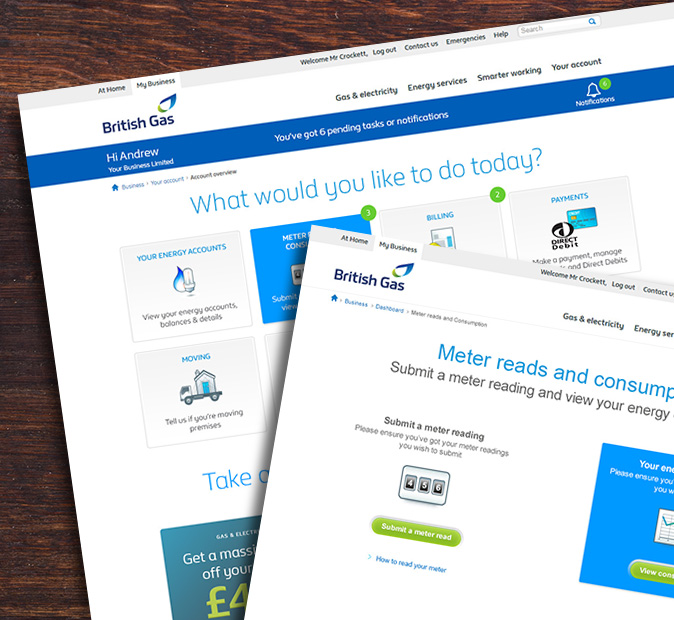
The Online Account Management (OAM) project was a major redesign of British Gas Business’s self-service platform used by commercial customers to manage their accounts, payments, billing, and meter data. The existing platform had become outdated, difficult to navigate, and heavily dependent on call-centre support for even simple tasks such as registration, billing queries, or missing account resolution.


As Lead UX/UI Designer, I led a complete overhaul of the platform conducting research, mapping the full customer journey, and designing an intuitive, responsive experience that empowered users to manage their energy accounts independently. The redesign streamlined core account actions, reduced service friction, and generated significant operational savings through reduced customer support calls.


My goal was to bring clarity and confidence to an environment where officers operate under pressure, helping them interpret automated insights quickly and accurately.

case study grid image

The Challenge

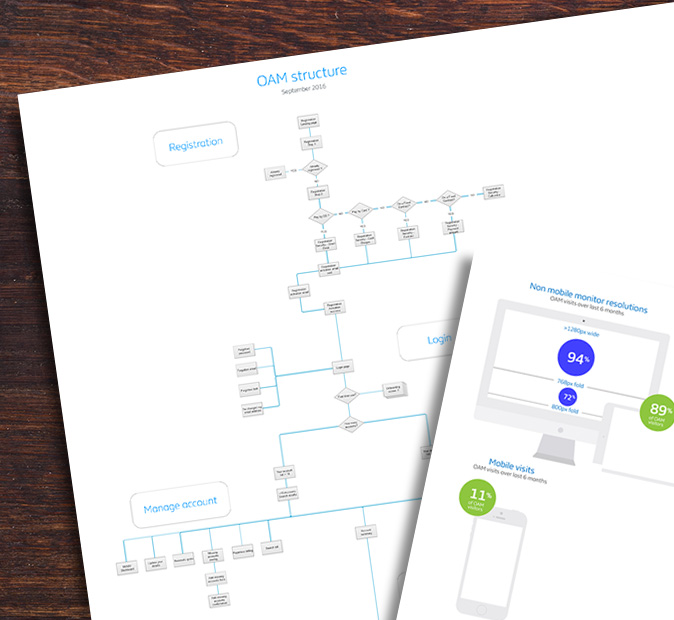
The legacy self-service platform suffered from poor usability and low adoption. Registration conversion was only 26%, and resolving missing or mis-linked accounts could take up to 90 days via manual support escalation. Information architecture was fragmented, forms were lengthy, and inconsistent page structures made it difficult for customers to perform simple tasks such as viewing invoices, submitting meter reads, or making payments. The challenge was to:

  • Re-engineer registration and account-linking journeys to make setup fast and intuitive.
  • Create a consistent, scalable framework for billing, payments, and meter-read functionality.
  • Design a mobile-friendly, responsive interface suitable for business customers on the move.
  • Reduce reliance on customer-service teams by improving self-service success rates.
My Approach

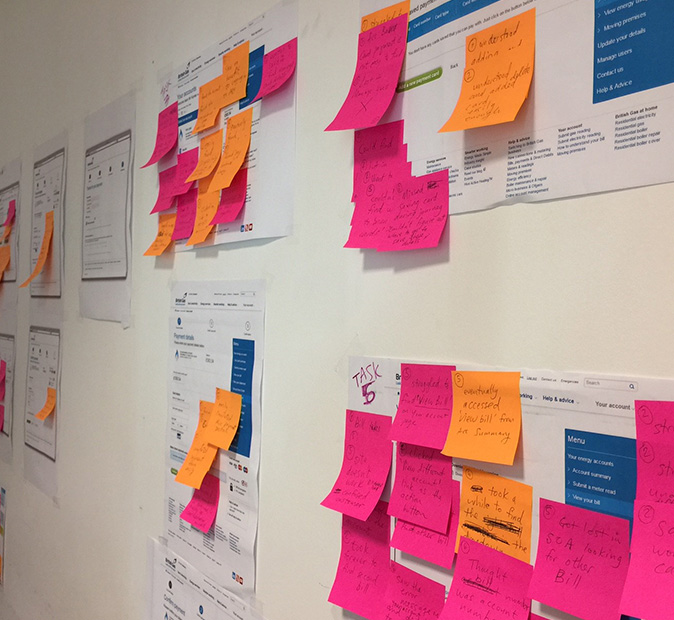
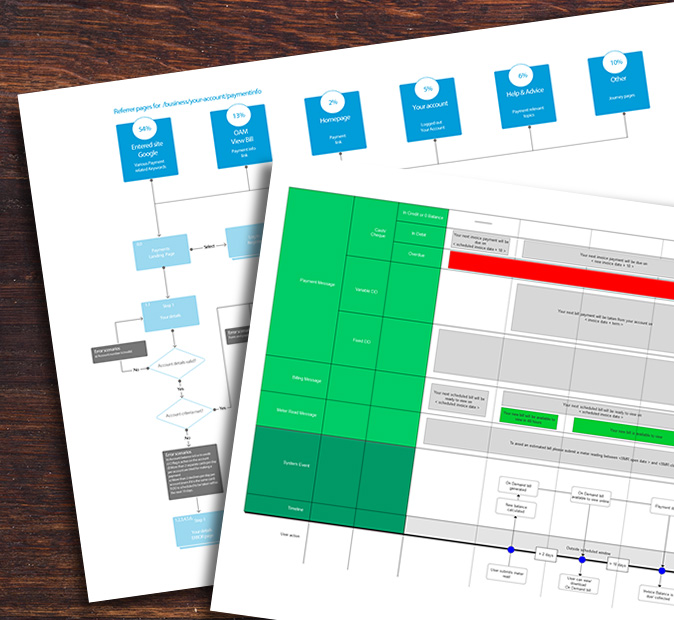
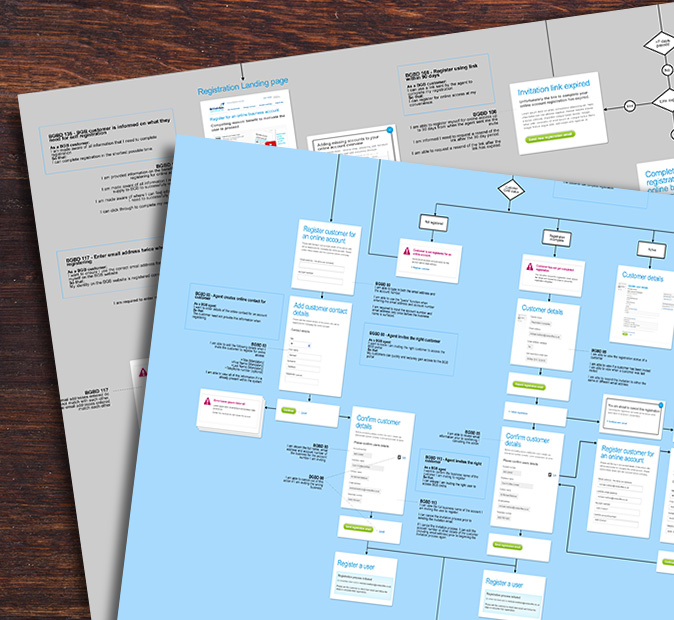
I began with a full audit of customer feedback and analytics, identifying key pain points in registration, billing, and navigation. I then conducted stakeholder workshops with the service team to understand common support issues and workflow inefficiencies.


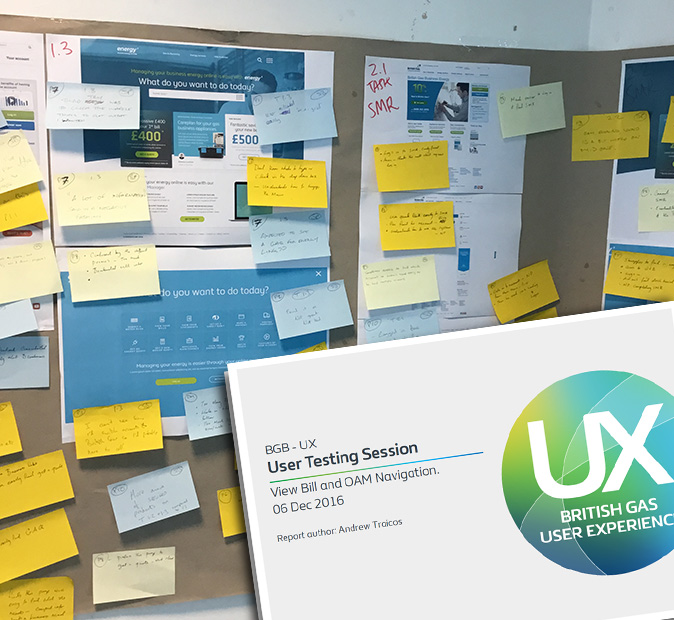
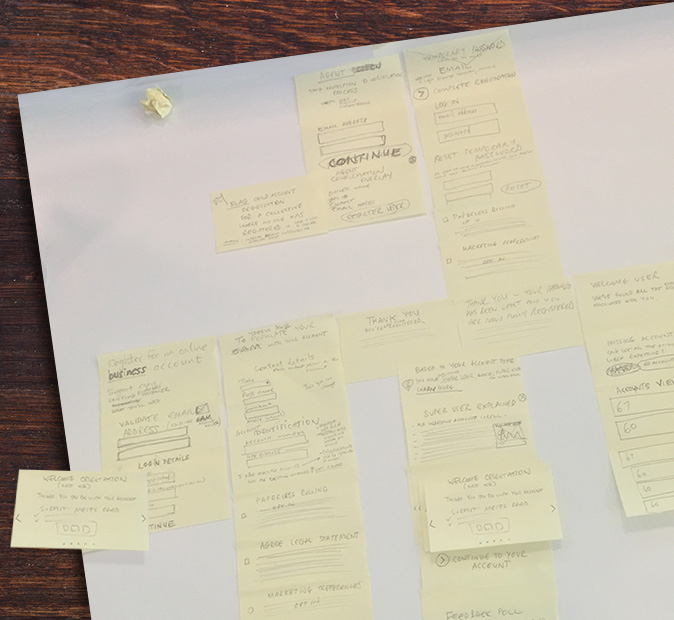
Using this insight, I redesigned the core journeys, simplifying form flows and introducing contextual validation and error handling to prevent common mistakes. I worked closely with product owners and backend teams to ensure alignment with CRM and billing data systems, and I validated prototypes through usability testing with small-business owners and energy managers.


Throughout the process, I maintained a focus on clarity and reassurance, designing UI components that guided users through complex tasks such as multi-account linking and payment setup.

User Research Image
User Research Image

Solution

The new OAM platform delivered a streamlined, customer-centred experience:

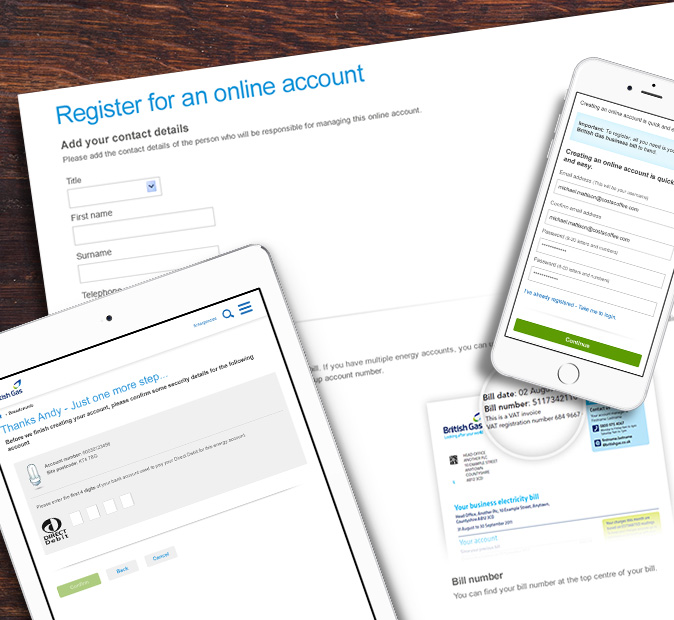
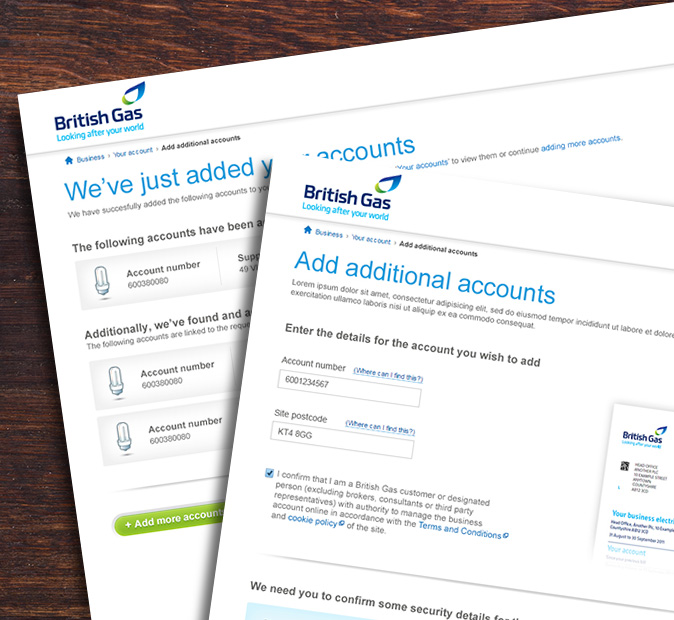
  • Simplified Registration: Introduced step-by-step guided registration with live validation; conversion improved from 26% to 70%.
  • Instant Account Resolution: Automated account-matching reduced issue resolution time from 90 days to 5 minutes.
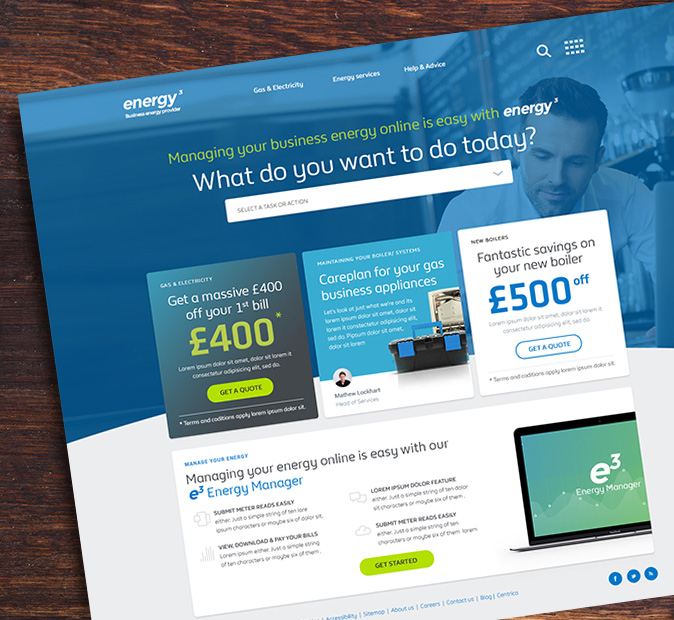
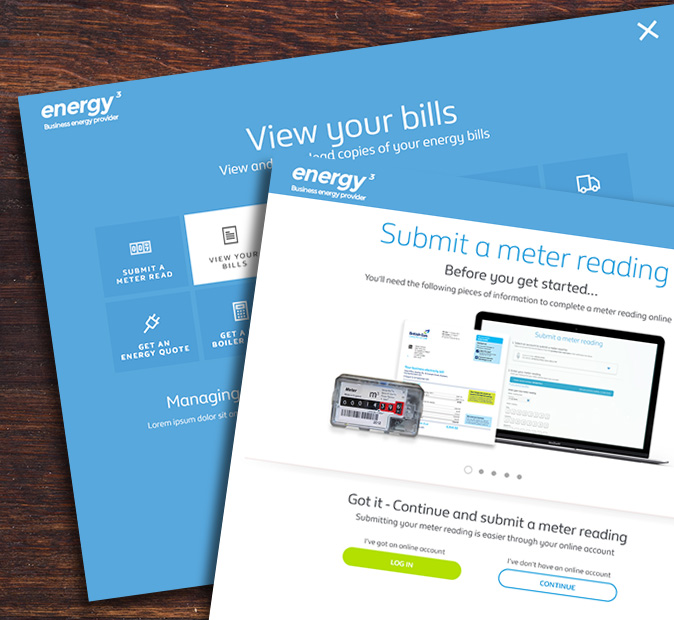
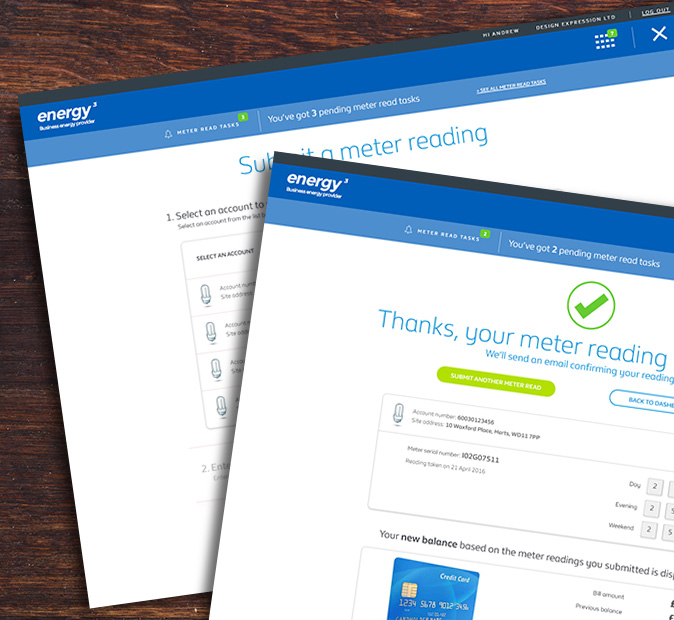
  • Self-Service Tools: Added integrated modules for payments, billing history, and meter-read submission.
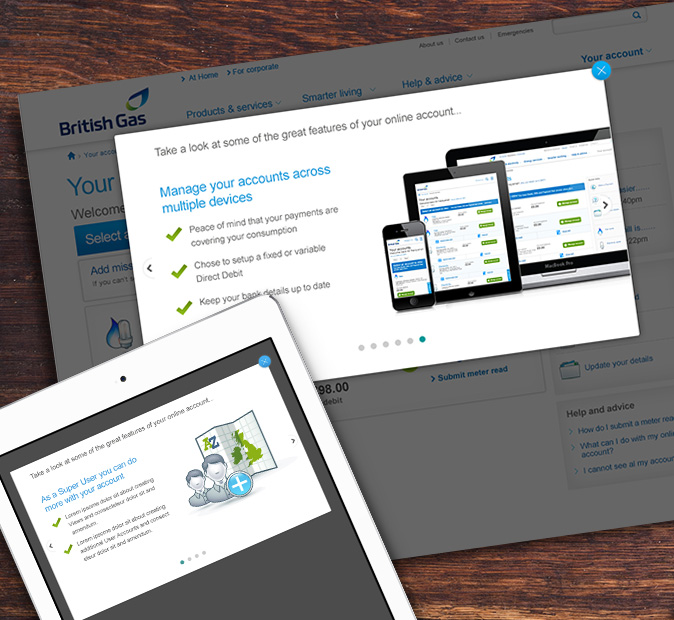
  • Responsive Design: Optimised layouts across desktop, tablet, and mobile, ensuring usability for all device types.
  • Accessibility Enhancements: Clear typography, improved contrast, and intuitive navigation supported a diverse user base.

Comprehensive design documentation was created to guide the development teams and ensure consistent implementation.


UI Output

User Research Image
User Research Image
User Research Image
User Research Image
User Research Image
User Research Image
User Research Image
User Research Image
User Research Image
User Research Image

Outcome

The redesigned Online Account Management system became a key success story within British Gas Business’s digital transformation programme. It dramatically improved customer satisfaction and freed up thousands of call-centre FTE hours each month by resolving issues digitally.


For me, this project represented the power of data-driven UX improvement turning a complex, high-friction legacy system into a seamless, empowering experience that worked for both customers and the business. The OAM redesign laid the groundwork for subsequent initiatives in automation and self-service adoption across the organisation.