SYNECTICS

Redesigning an outdated Financial & Insurance Fraud monitoring system

Overview

This project centred on modernising the UK’s national financial fraud intelligence platform a syndicated risk database used by more than 150 financial institutions, including leading banks and insurers. The system enables organisations to identify fraud by cross-referencing vast volumes of shared data, generating investigative cases, and flagging suspicious patterns.


As Lead UX/UI Designer, I was responsible for redesigning the full end-to-end user experience from referral triage and search to rule management and reporting. Working closely with product owners, fraud analysts, and developers, I restructured complex investigative workflows, introduced a scalable UI framework, and delivered a more intuitive, accessible interface that brought consistency across multiple financial products.


The goal was to improve usability and performance for thousands of investigators while positioning the system for long-term scalability and design-system adoption.


case study grid image

The Challenge

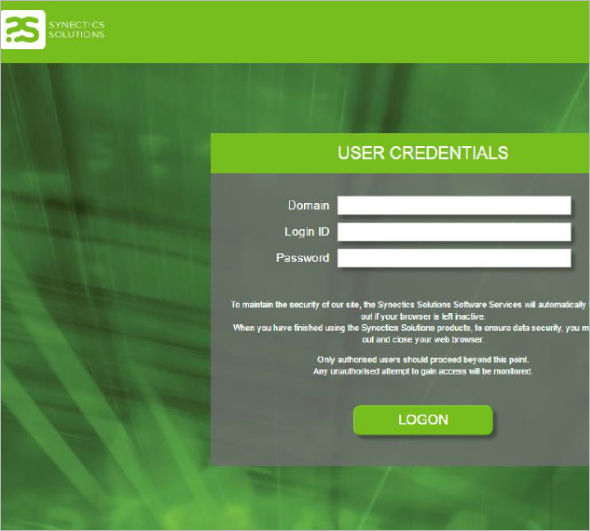
The legacy platform was powerful but outdated. Its design had evolved over many years, resulting in a dense, non-standard interface with inconsistent layouts and terminology across modules. Investigators relied on multiple screens and extensive manual cross-checking to complete even simple case reviews, making fraud detection time-consuming and error-prone.


The challenge was to simplify and modernise a mission-critical tool without disrupting established business processes or compromising regulatory compliance. The system had to support multiple user groups from data analysts to compliance officers all operating under strict audit and governance requirements.

My Approach

I began with an extensive UX audit and stakeholder interviews to map current investigative journeys and pain points. Patterns emerged around navigation complexity, excessive page depth, and lack of visual hierarchy, which made interpreting key case details slow and mentally demanding.


Using Invision, I created interactive prototypes representing a new visual language and interaction model simplifying layouts, standardising components, and improving information hierarchy. I worked iteratively with analysts and product managers to validate new workflows through review sessions, ensuring accuracy and regulatory compliance were preserved at every stage.


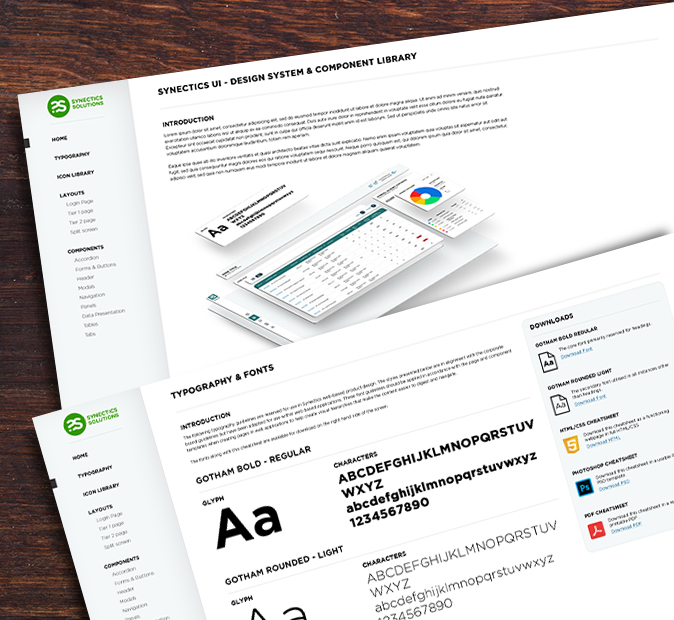
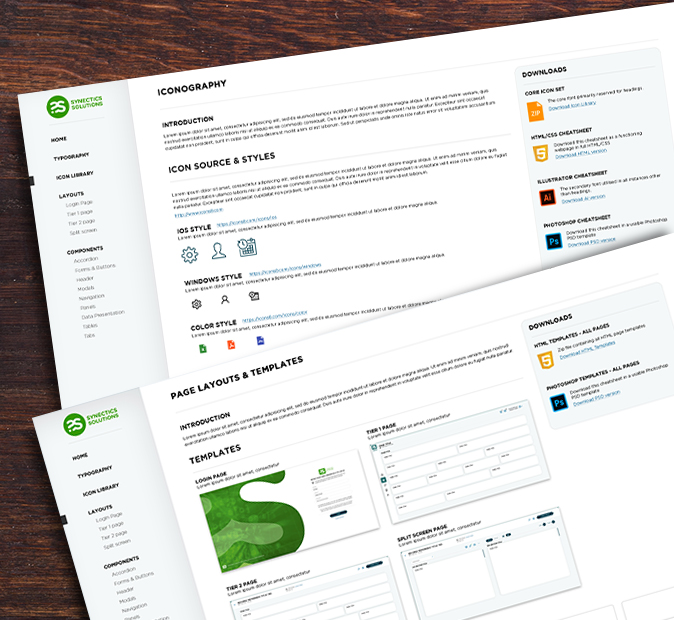
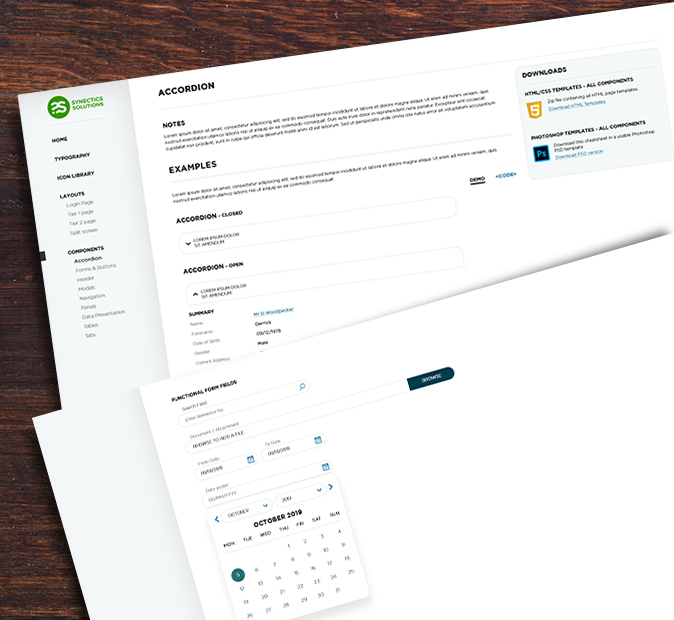
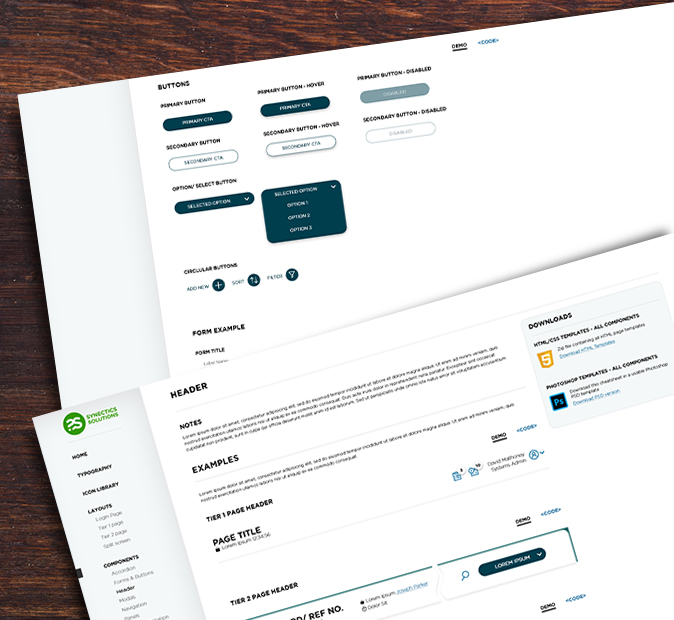
Parallel to the redesign, I defined a new UI design framework and visual language that could be shared across other Synectics platforms, accelerating future development and ensuring long-term consistency.


User Research Image
User Research Image

Solution

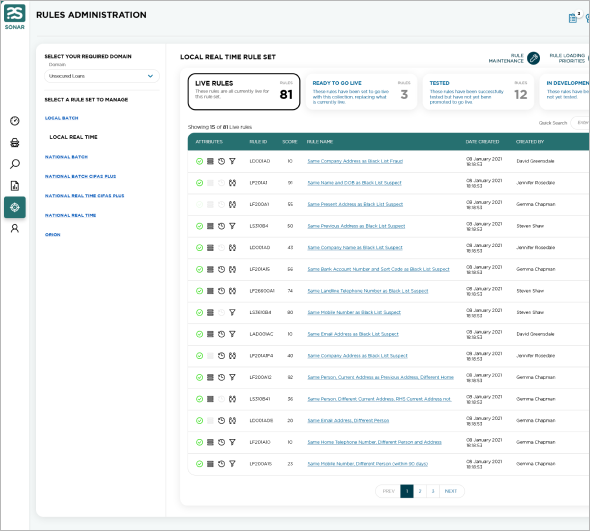
The final design introduced a modern, modular interface that made investigation workflows more transparent and navigable. I replaced fragmented page structures with tabbed layouts and contextual dashboards that surfaced the most relevant case information first. Advanced search and filtering were simplified with inline actions, reducing friction during high-volume data reviews. A new visual language was applied across the platform harmonising typography, spacing, and interaction styles while aligning with Synectics’ broader brand direction. Interactive prototypes were delivered with detailed documentation to guide developers, ensuring fidelity between design and build.


The redesign improved investigator efficiency, reduced onboarding time for new users, and created a flexible foundation that supported future enhancements such as real-time analytics and machine-learning integration.


UI Output

Most of the product screens are under NDA so can't be shown. Below are snippets of the design system I created for their web based applications

User Research Image
User Research Image
User Research Image
User Research Image

Outcome

This project underscored the importance of usability in data-intensive environments. By simplifying structure and modernising visual language, we transformed a technically robust but outdated system into a platform that investigators could trust, understand, and navigate quickly.


The new Design System UI framework was adopted company-wide and became the reference point for Synectics’ future product designs. The updated system improved user satisfaction, streamlined investigation cycles, and helped improve usability by reducing frictions and offering modern, intuitive interfaces.