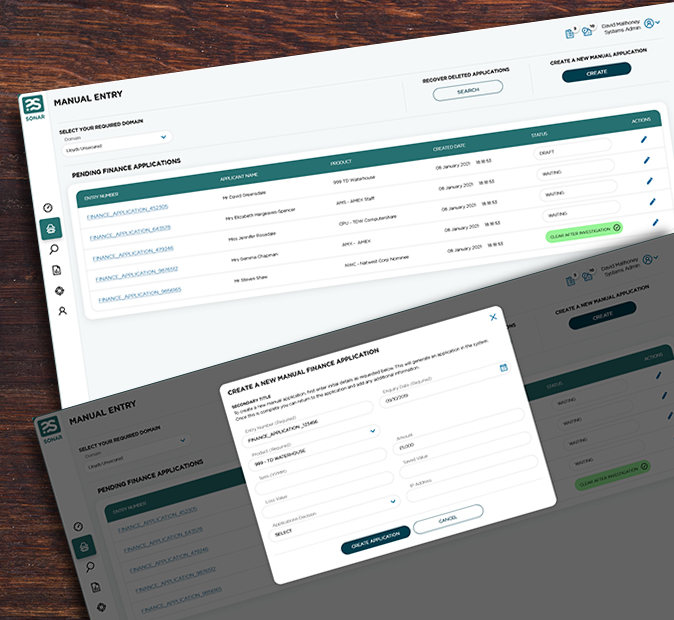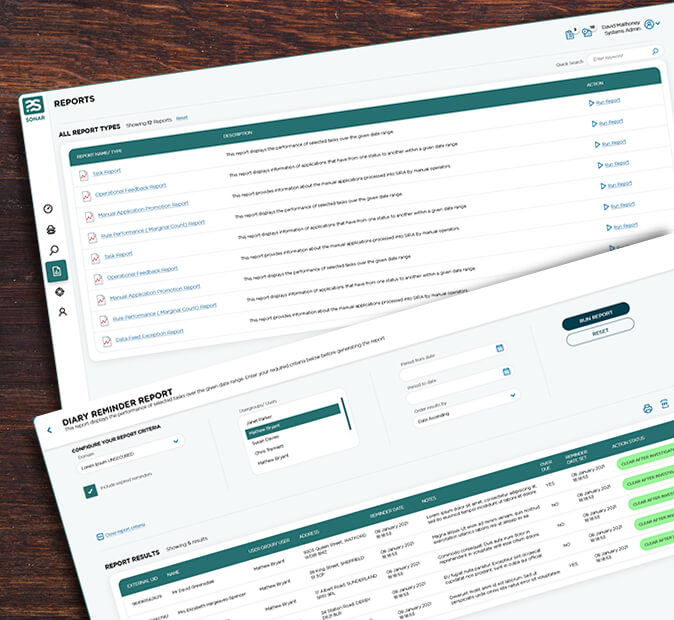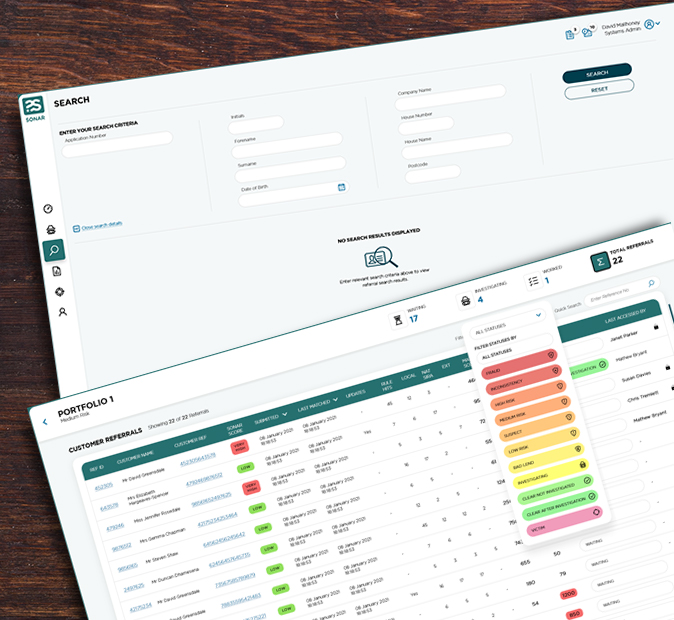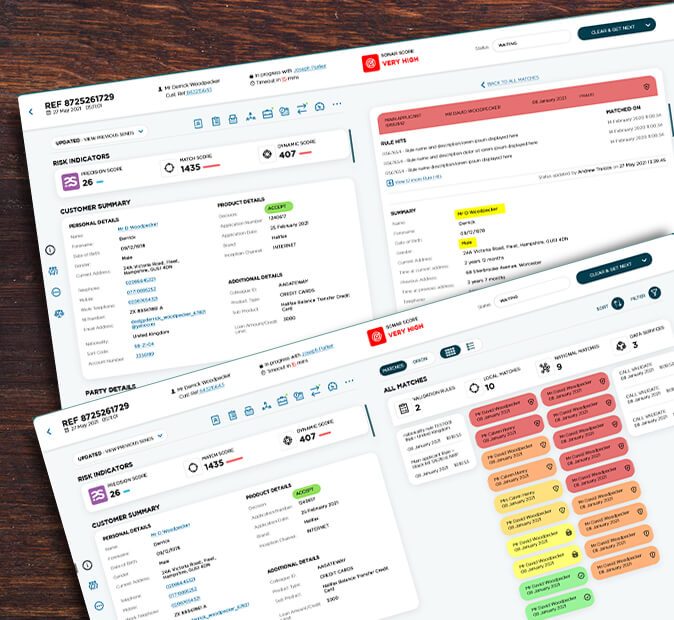
Building on the success of the national fraud detection platform, this project involved designing a new, modular fraud-screening solution aimed at faster deployment, improved flexibility, and easier integration for financial institutions of varying sizes. The new system introduced a streamlined architecture with modules for sanctions screening, KYC verification, strawman identity detection, and rules orchestration, providing organisations with a lighter, configurable alternative to the existing enterprise product along with integration with a multitude of 3rd party integrations from sanctions screening to vehicle data.
As Lead UX/UI Designer, I led the design effort from concept to high-fidelity delivery defining workflows, interaction patterns, and visual hierarchy that supported complex, data-driven logic while maintaining an accessible, intuitive interface.
The aim was to empower analysts and compliance teams to manage risk more efficiently, adapting the system’s rules and thresholds to their own operational models without technical intervention.
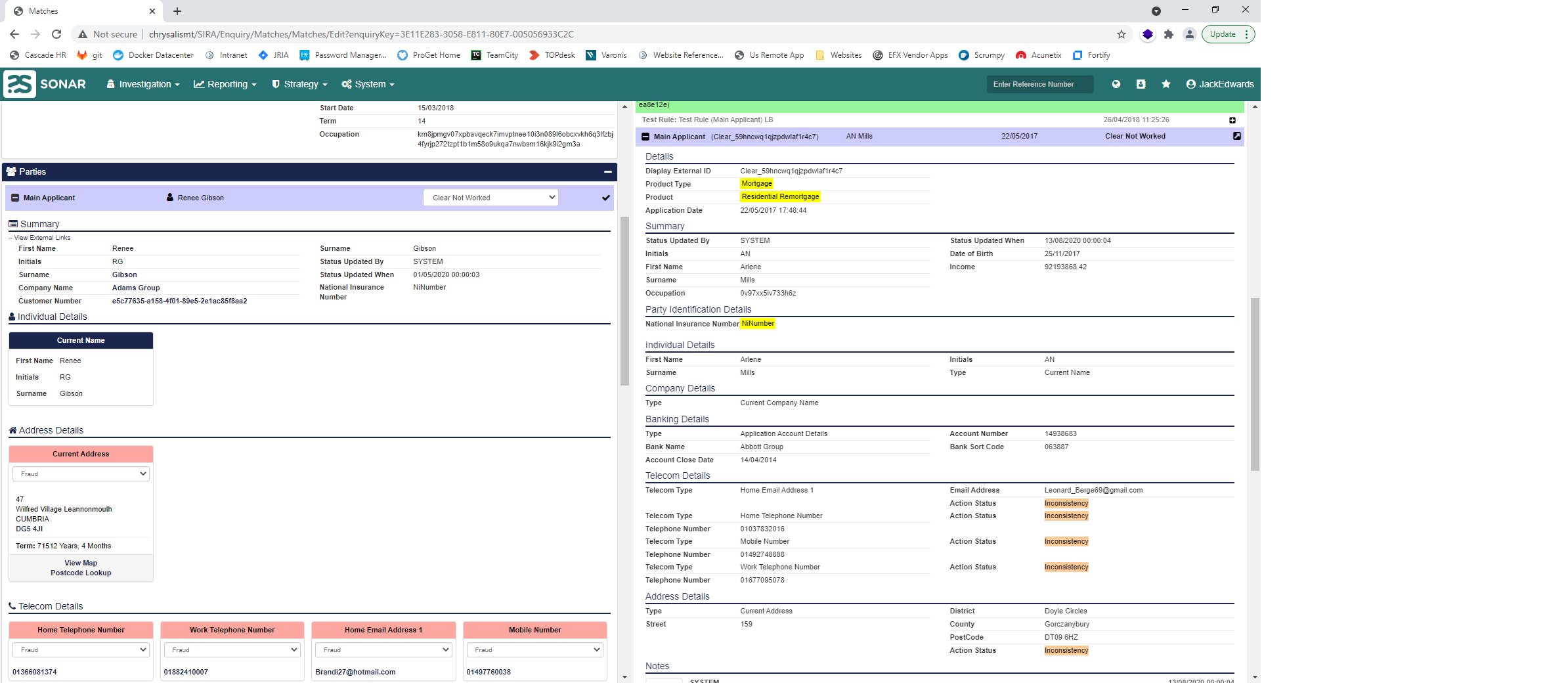
Outdated legacy system
Financial institutions required greater agility in detecting and managing financial crime. The legacy architecture was powerful but rigid, outdated and clumsy, and smaller organisations often struggled to implement or customise it quickly. Compliance officers needed faster onboarding, clearer workflows, and visibility into sanctions and potential fraud results all within a unified interface that didn’t demand specialist training.
The challenge was to create a flexible design that balanced simplicity with sophistication preserving the analytical power of the core fraud-detection engine while presenting it in a lighter, modular product that could scale according to the customers need.
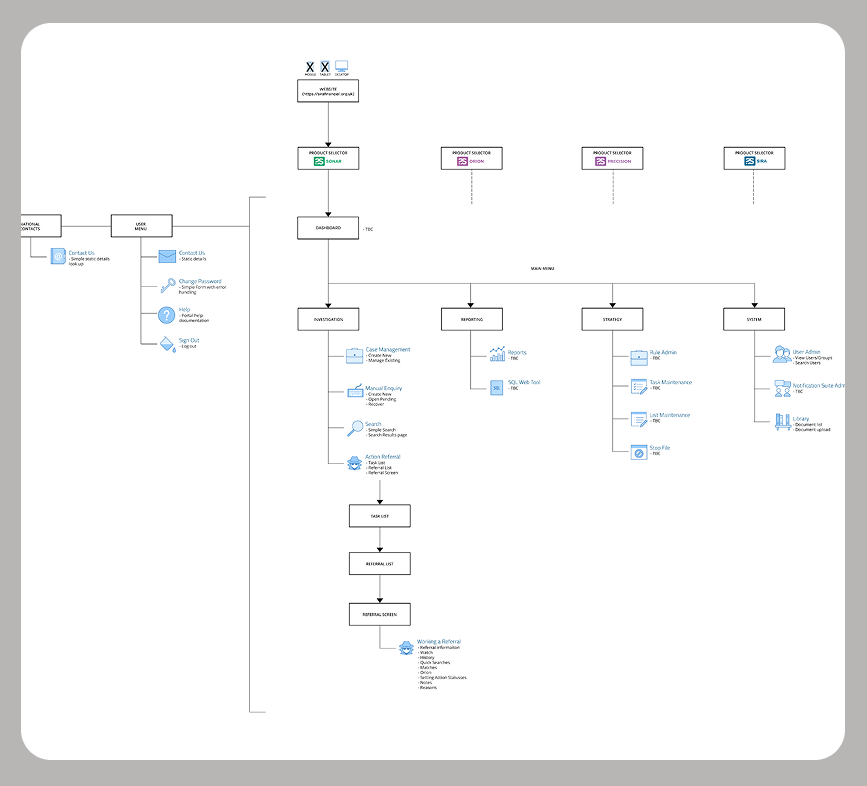
I began by mapping out core investigative and onboarding journeys with product owners and compliance specialists. We identified the most frequent user tasks risk scoring, sanctions lookup, referral management, and identity linking and restructured them into focused, self-contained modules. I created low-fidelity prototypes to test workflow assumptions, followed by detailed prototypes showing the full interaction model and component system.
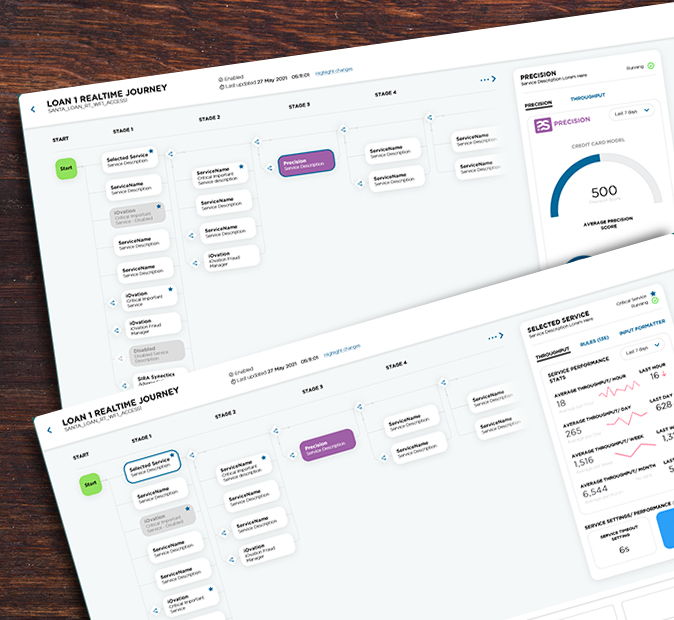
To handle the complexity of rules orchestration and data-schema synchronisation, I worked closely with data engineers to design intuitive rule configuration screens and workflows. These allowed analysts to modify and test fraud-detection logic without coding knowledge. Each module was validated through iterative feedback sessions with internal and client users, refining copy, feedback states, and visual clarity at every step.
Mapping of core product features and dependencies
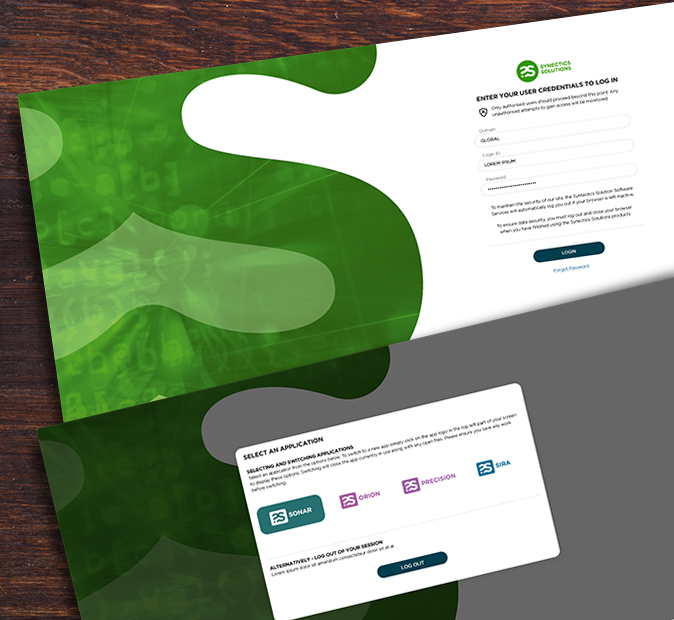
A modern, clean, responsive interface
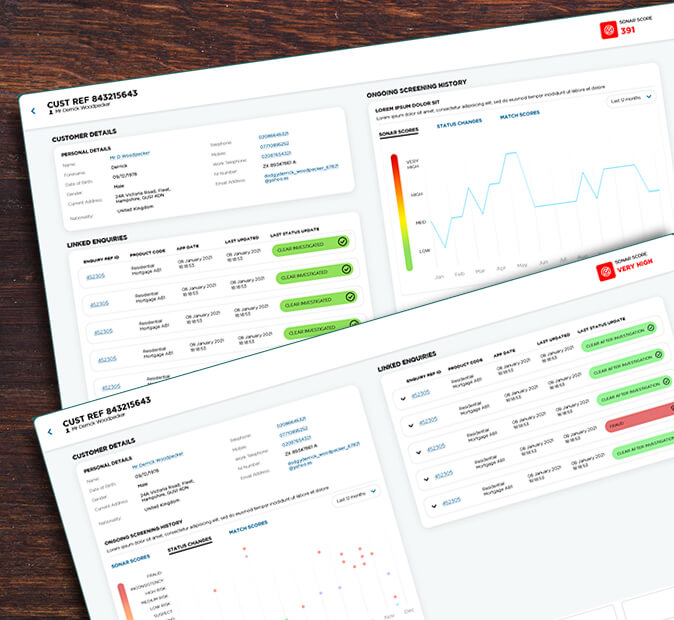
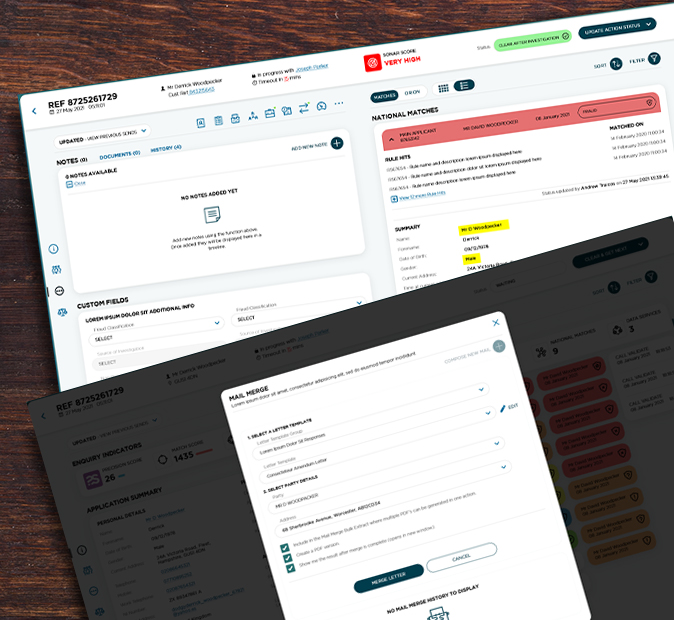
The finished design delivered a clean, responsive interface that simplified onboarding and daily fraud investigation. Key modules included: Sanctions & PEP Screening: streamlined entry forms and visual result summaries, reducing manual checks; KYC Verification: integrated workflows with clear status indicators and risk scoring; Rules Orchestration: a visual interface for adjusting fraud-detection logic and monitoring data flows; ETL Tool: Enabling the synchronisation and accurate mapping of source data schemas to our master database. Identity Profiling: visual representations of related entities and potential strawman accounts.
Each component shared a unified visual language and could be deployed independently, enabling faster setup and maintenance. The modular system became the blueprint for Synectics’ next generation of financial crime products, combining the rigour of enterprise tools with the usability of modern SaaS design.
Structured referral management
Complex reporting integration
Incoming referral management tools
Updated referral results matching
Customer history management tools
Case decision management
Workflow data orchestration tool
Designing this platform reinforced the value of adaptability and transparency in risk and compliance products. By simplifying complex rules configuration and improving feedback mechanisms, we reduced reliance on technical support and enabled compliance teams to respond to emerging threats more rapidly. The system was praised internally for its clarity and scalability and has since influenced the structure and design standards of Synectics’ broader product suite. For me, this project represented the evolution of complex, rules-driven UX into something approachable and elegant proving that high-stakes software can still feel simple, logical, and human.