SITA

Designing a mobile-first Lost-Bag Reporting app for travellers worldwide

Overview

The Lost Baggage Application was developed to modernise how passengers report and track mishandled baggage, replacing inconsistent paper-based processes with a single digital platform used by airlines and airports worldwide. As Lead UX/UI Designer, I delivered the full end-to-end design from research and journey mapping to high-fidelity UI, build documentation, and iterative optimisation.


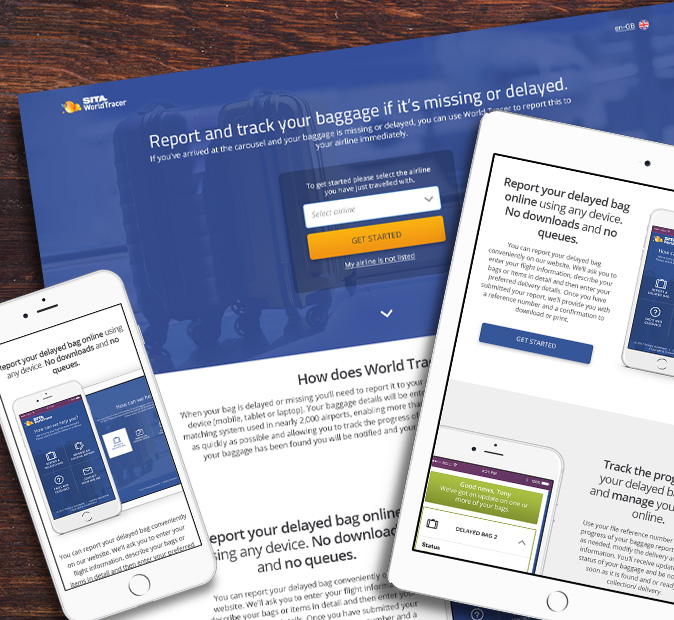
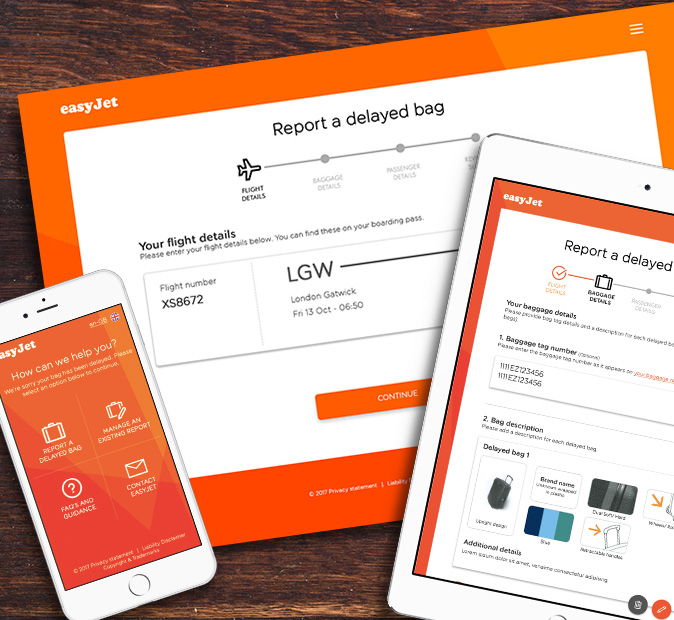
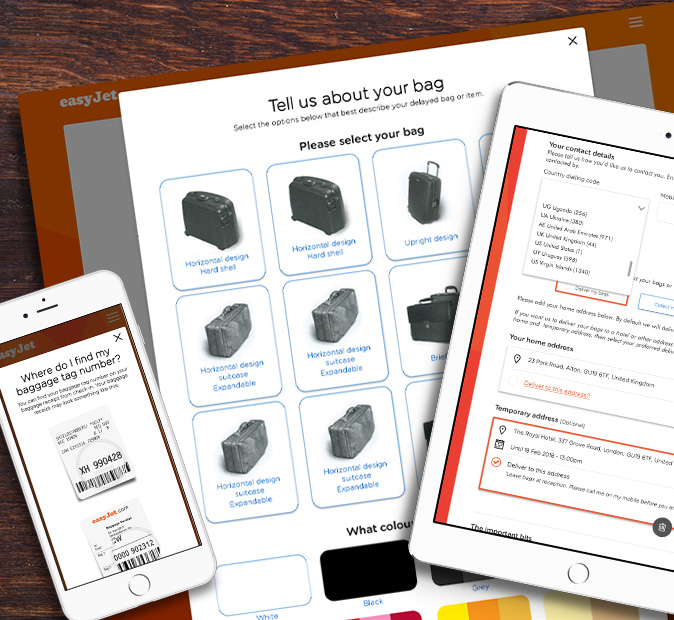
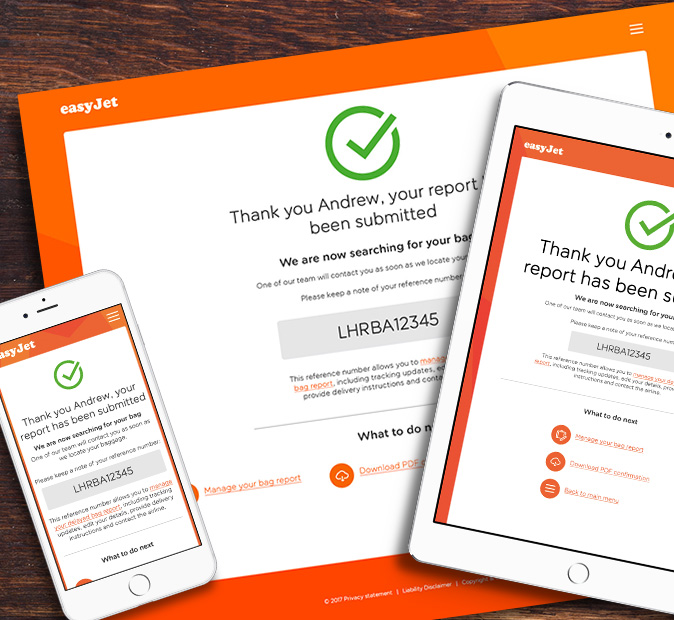
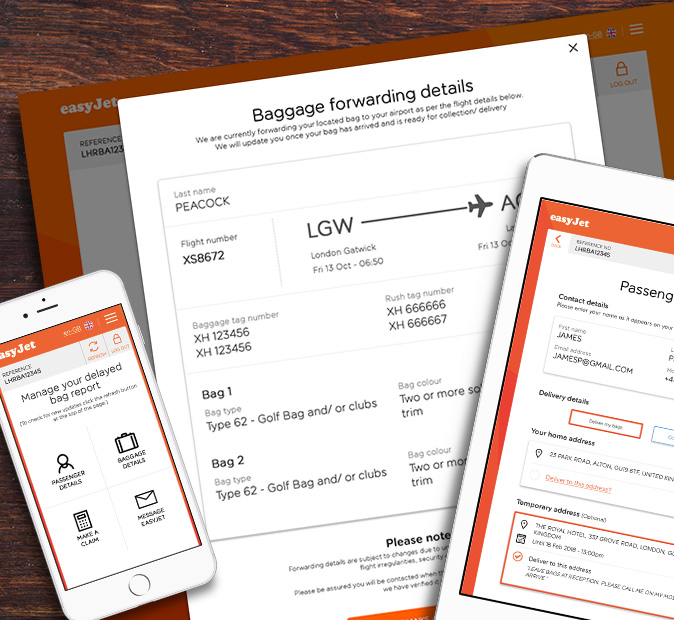
The mobile-first responsive web absed app allows passengers to report missing bags in minutes, receive notifications on tracking and delivery, and access real-time updates linked directly to SITA’s WorldTracer global baggage-tracking network. Designed to support 300+ airlines, the solution was multi-tenant, brandable within one hour, and translated into 24 languages, making it the first truly universal lost-baggage platform.


case study grid image

The Challenge

The existing process for lost baggage was fragmented and frustrating. Passengers were required to queue at airport desks to complete lengthy forms, while airline agents worked across multiple disconnected systems to locate and deliver bags. The emotional stress of lost luggage combined with inefficient reporting made it one of the most sensitive customer touchpoints in air travel. SITA needed a unified, digital-first solution that would:
- Simplify reporting for passengers under emotional strain.
- Streamline data entry and syncing with the WorldTracer back end.
- Enable airline agents to manage cases, coordinate deliveries, and communicate with passengers in real time.
- Provide measurable improvements in completion rates and satisfaction.
My Approach

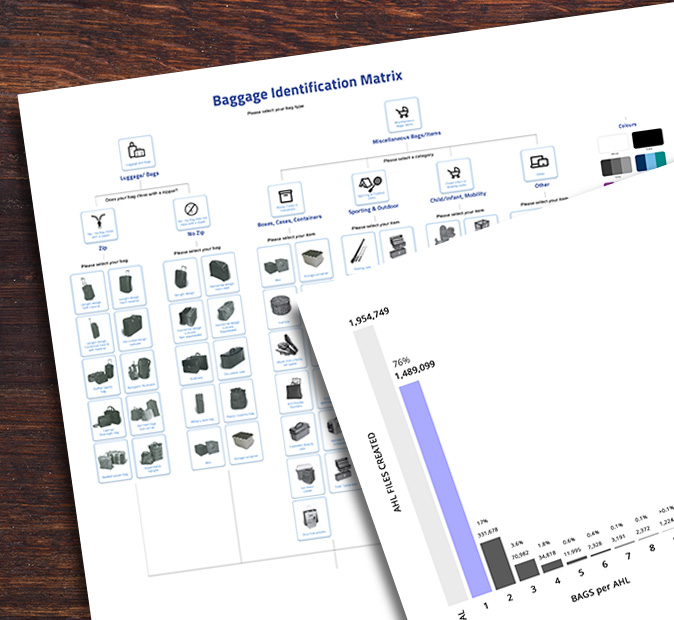
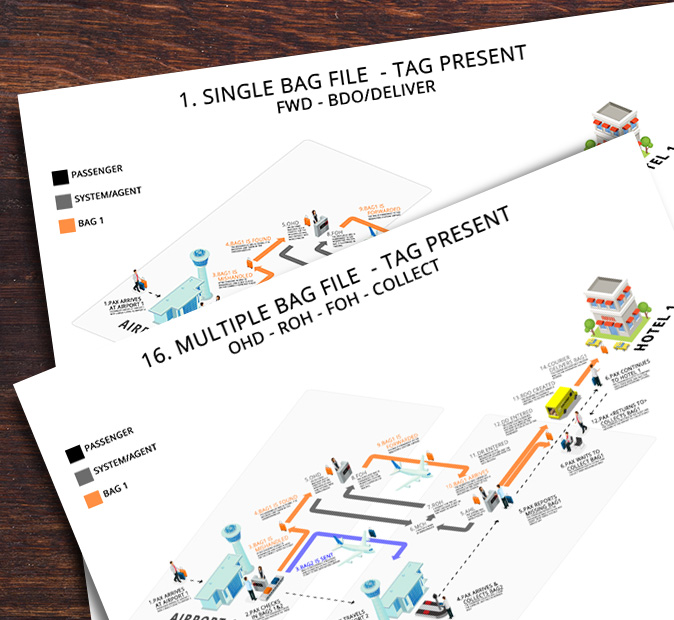
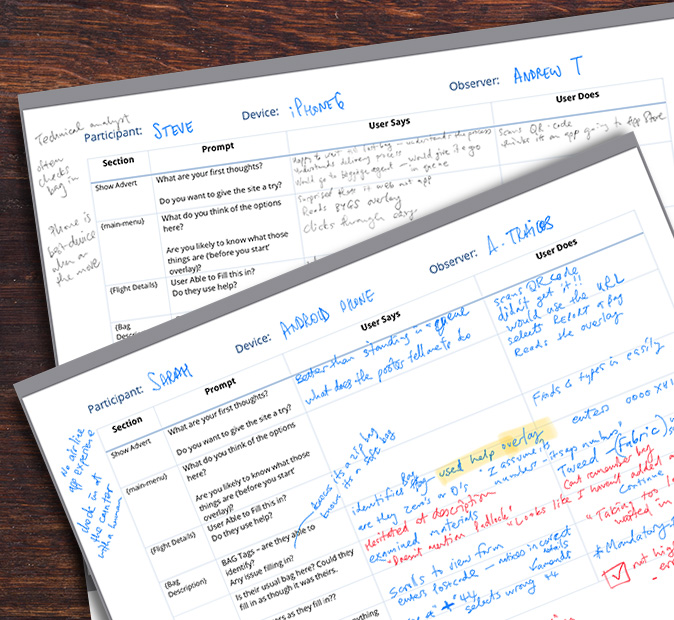
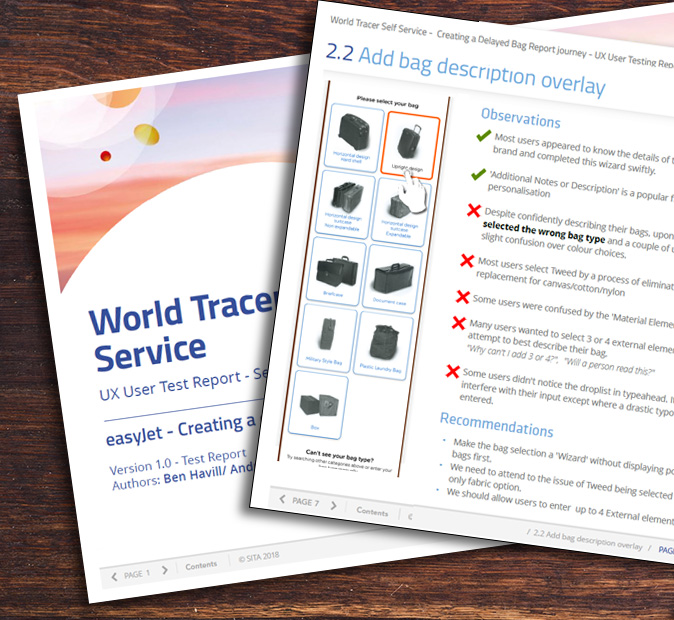
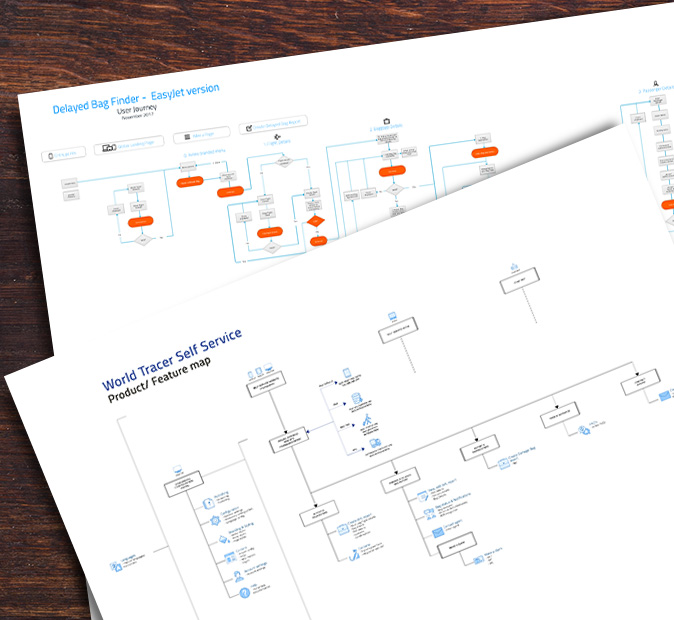
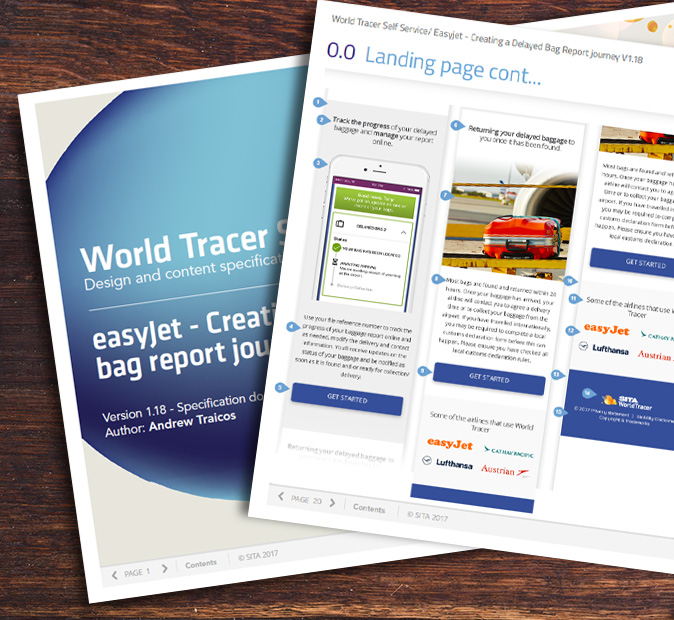
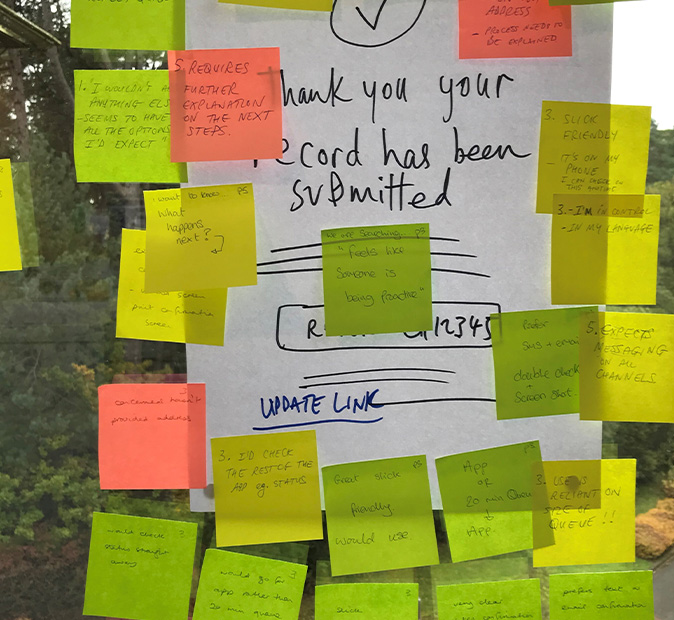
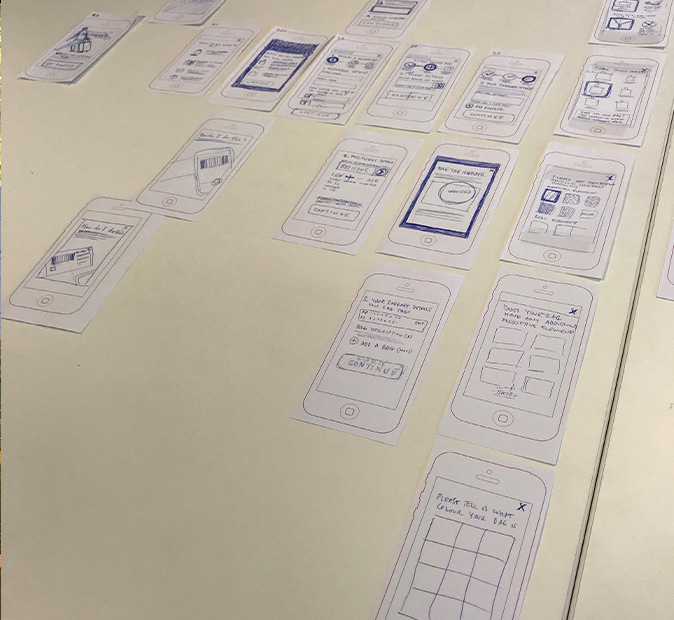
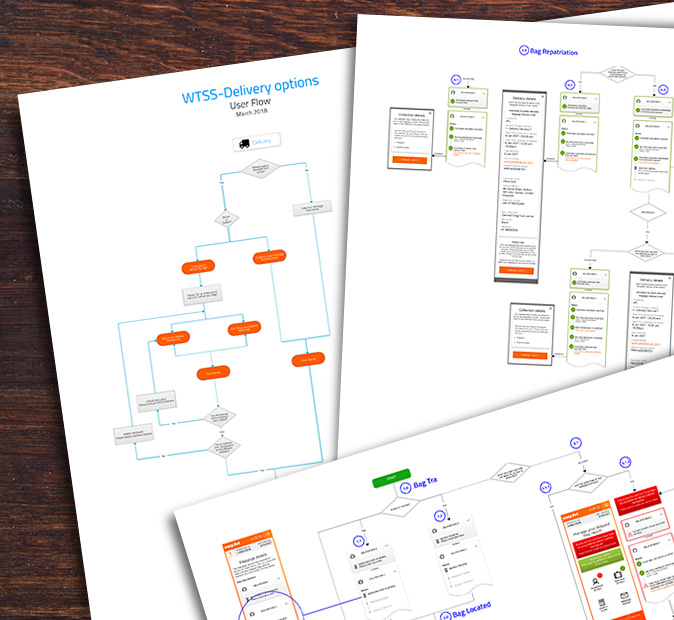
I led a comprehensive human-centred design process beginning with stakeholder workshops and site visits at multiple international airports. Sitting with baggage-service teams and observing real passengers allowed us to capture the emotional and operational friction points firsthand. I mapped end-to-end user journeys for both passengers and airline staff, designing flows for reporting, tracking, notifications, and delivery management. Using Google Analytics, we monitored user behaviour and form-completion friction, iterating based on data from pilot deployments. I collaborated closely with SITA product owners, developers, and airline representatives in agile sprints, producing complete build-ready prototypes and documentation. Each iteration was validated through usability testing and feedback loops with pilot airlines, ensuring the experience worked equally well for passengers on mobile and for agents on desktop.


User Research Image
User Research Image

Solution

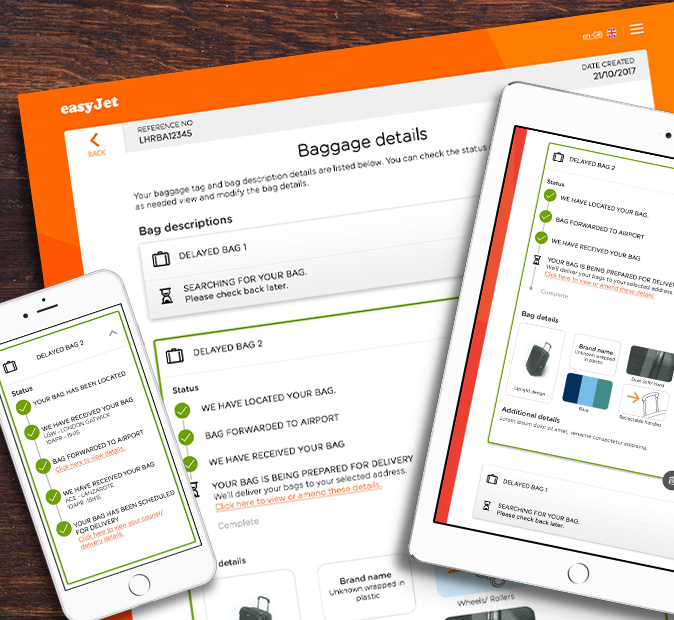
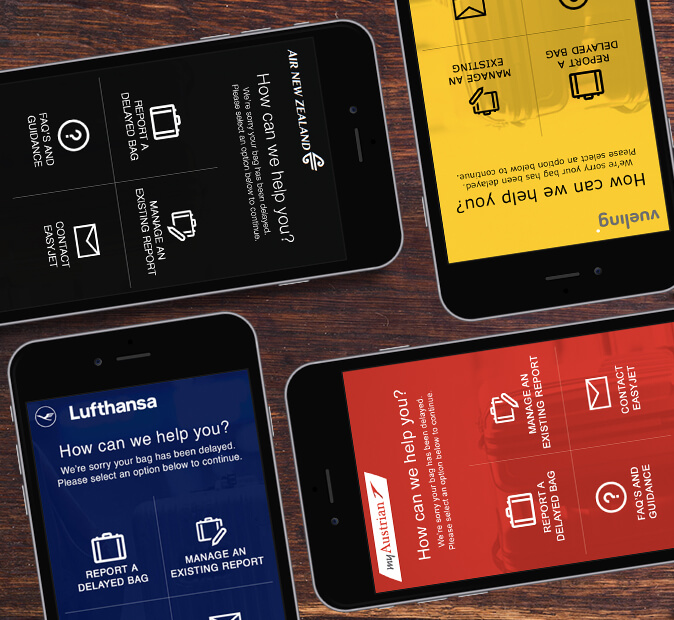
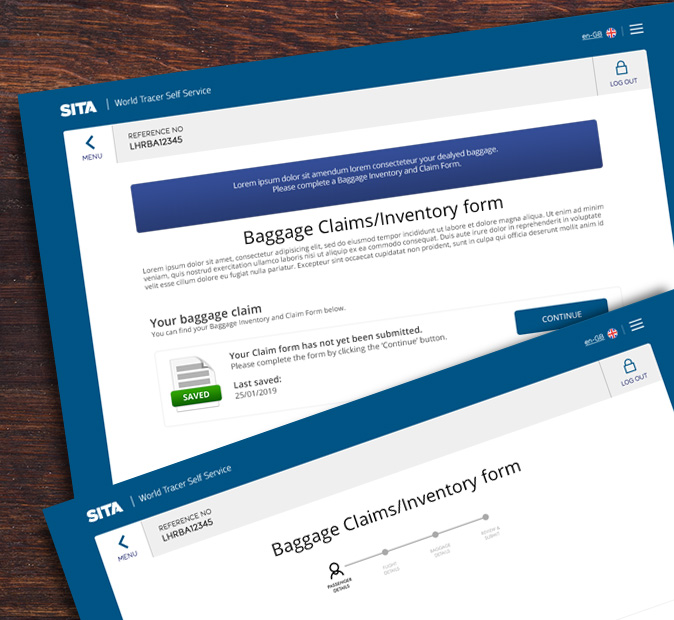
The final solution was a responsive, mobile-first web application that could be white-labelled for any airline within an hour. The system featured:

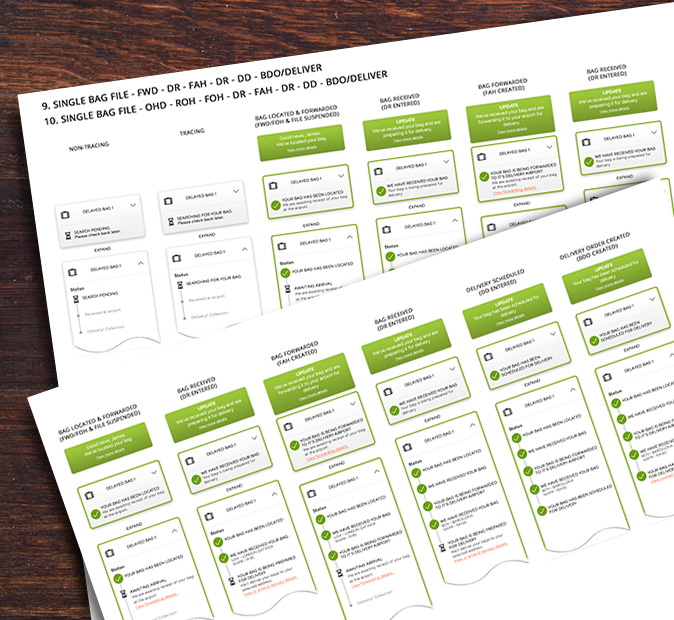
  • Simplified Passenger Reporting: Step-by-step guided forms optimised for mobile under stressful conditions.
  • Real-Time Tracking: Integration with the WorldTracer network, providing live status updates and push notifications.
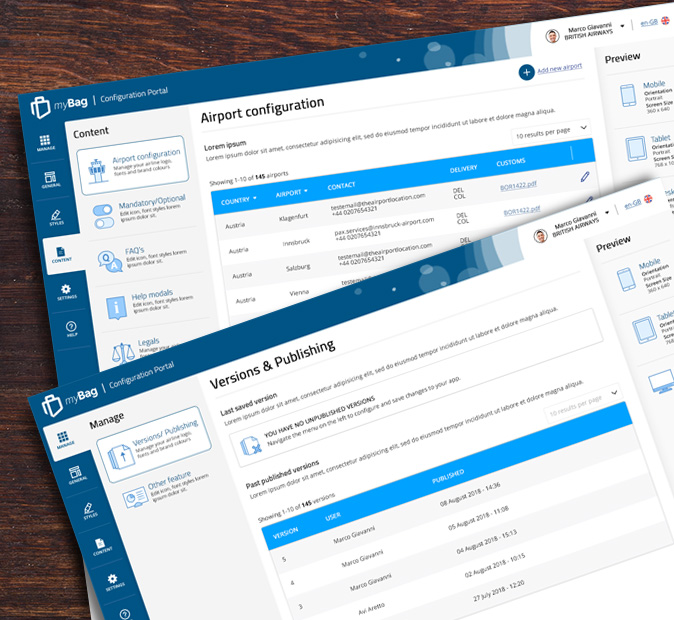
  • Agent & Delivery Dashboard: A back-office interface for baggage teams to manage reports, deliveries, and customer communication.
  • Multi-language & Branding Framework: 24-language support and an instantly configurable UI framework for airline branding.
  • Analytics-driven Improvement: Continuous iteration based on journey metrics to optimise completion and reduce drop-offs.
The design achieved a balance between operational power and emotional sensitivity, giving passengers a sense of control and reassurance in an otherwise negative experience.


UI Output

User Research Image
User Research Image
User Research Image
User Research Image
User Research Image
User Research Image
User Research Image
User Research Image
User Research Image
User Research Image
User Research Image
User Research Image
User Research Image
User Research Image
User Research Image
User Research Image

Outcome

This project was one of the most rewarding of my career, blending empathy, research, and systems thinking in an emotionally charged environment. The pilot deployments with EasyJet, Finnair, and Cathay Pacific validated both usability and scalability, with analytics showing marked improvements in reporting completion and reduced customer complaints.

Since launch, the application has been adopted by over 100 airlines globally, becoming the industry standard for lost-baggage management. It has demonstrated how user-centred design can transform an operational pain point into a moment of recovery and reassurance for millions of travellers.