SITA

Designing inclusive automated eGate and self-service kiosk interfaces for airports

Overview

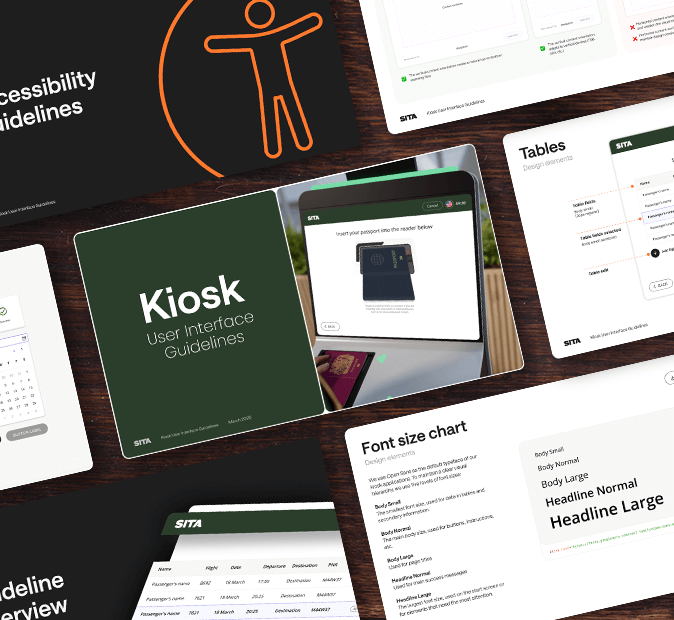
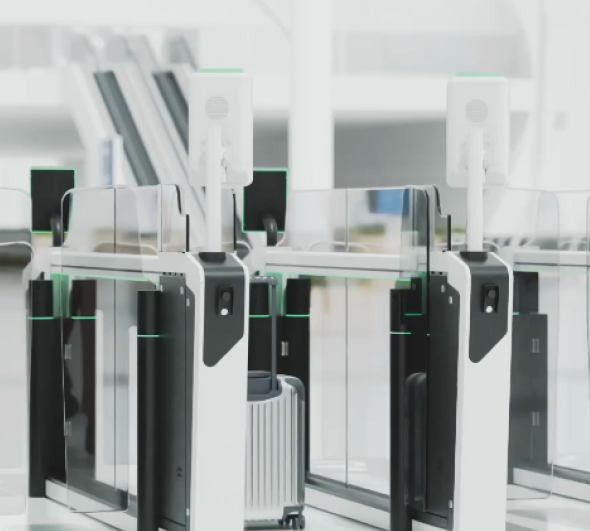
As part of SITA’s global border modernisation programme, I led the UX and UI design of automated eGate and self-service kiosk interfaces deployed across international airports. These systems allow passengers to verify their identity, submit travel documentation, and complete border processing autonomously, while connecting directly to SITA’s broader risk assessment and monitoring platforms used by government agencies.


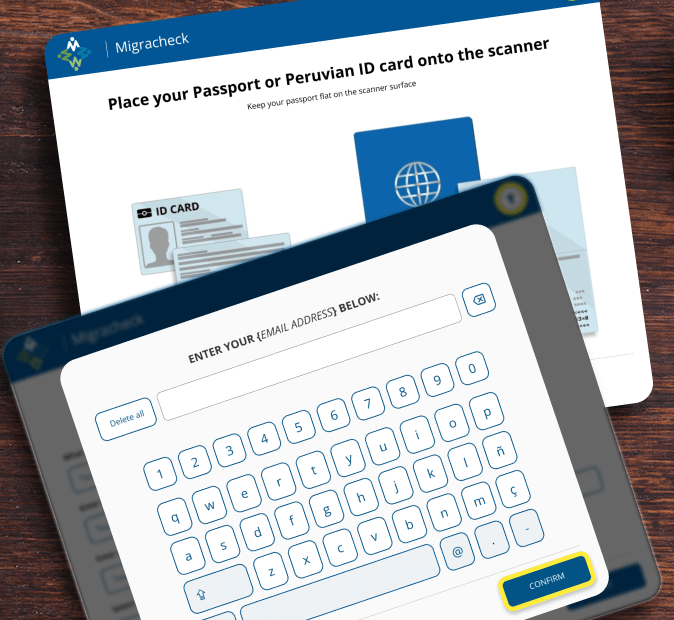
My goal was to ensure a consistent, inclusive, and compliant design experience across all self-service touchpoints from on-site kiosks to automated eGates while contributing foundational patterns to SITA’s global design system. The project spanned multiple geographies, including customised deployments in South America, where local infrastructure, passenger behaviour, and language requirements informed design adaptation.


case study grid image

The Challenge

Automated border systems must balance security, accessibility, and passenger throughput all under the operational pressures of real-world airport environments. Early versions of SITA’s kiosks and eGates lacked visual consistency, ADA compliance, and accessibility provisions for wheelchair users and travellers with limited mobility. Lighting cues, on-screen prompts, and gate orchestration were inconsistent across deployments, occasionally creating confusion and bottlenecks during high-traffic periods.


The challenge was to design a unified, accessible, and globally scalable interface that worked across diverse hardware configurations, cultural contexts, and passenger profiles ensuring passengers could intuitively navigate the process while border officers maintained full situational awareness.
My Approach

I began with extensive field research at airport terminals, observing passenger behaviour and flow patterns during peak and off-peak operations. Workshops were held with both airport operations teams and accessibility consultants to identify friction points and align the design with ADA standards and local regulations (including adaptations for South American deployments).


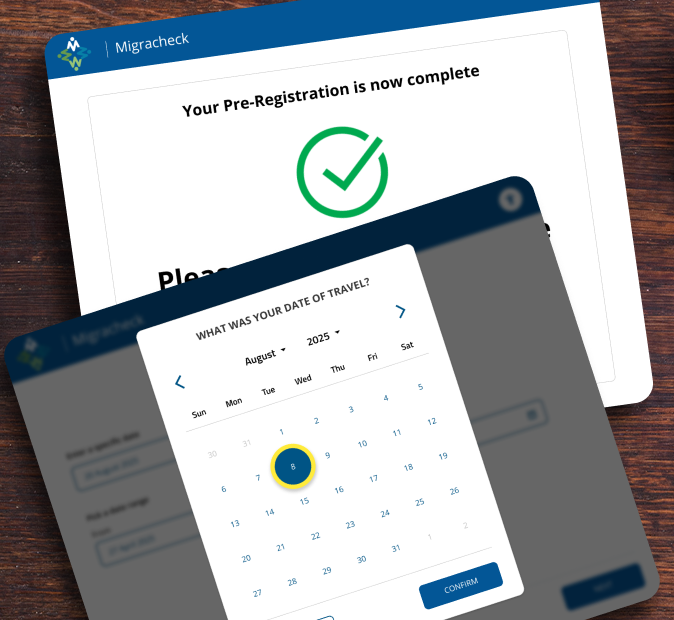
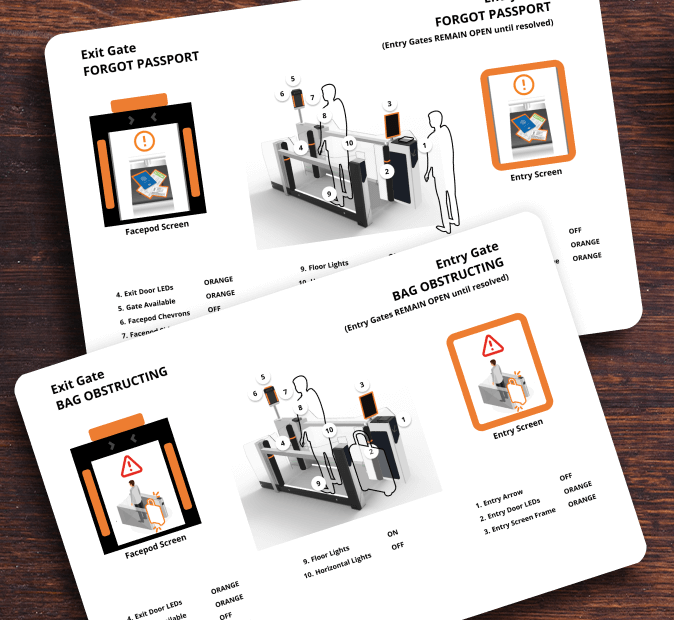
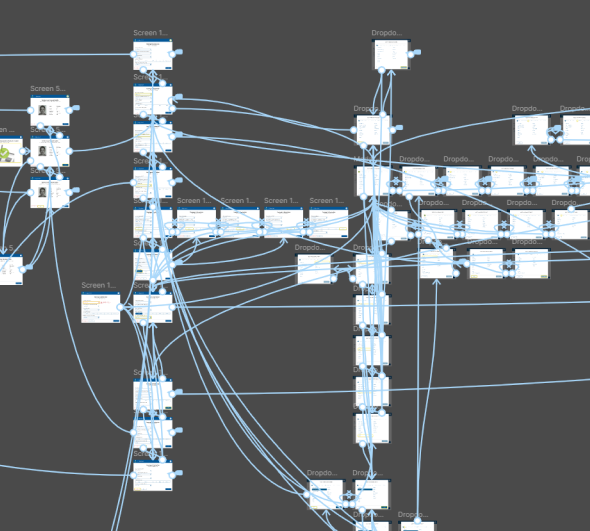
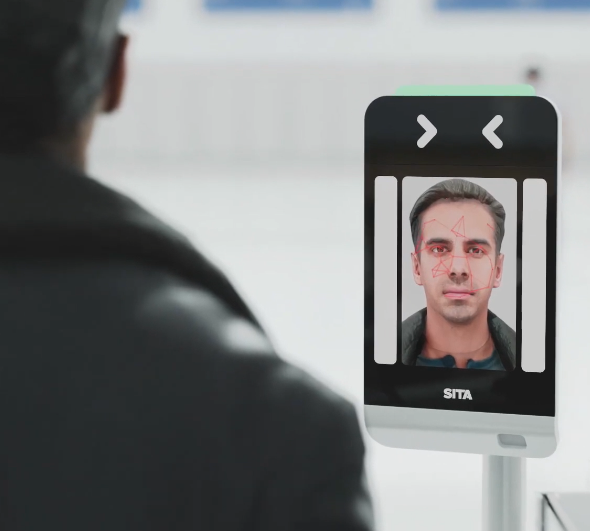
Using Figma, I designed modular, touch-optimised interfaces that guided passengers step-by-step through identity verification, biometric capture, and risk-check confirmation. Parallel to the on-screen design, I worked closely with SITA’s hardware engineers to develop lighting and visual orchestration patterns that synchronised gate doors, LED cues, and status indicators with the monitoring station and risk assessment system. This ensured that visual and hardware feedback were fully integrated, improving both user understanding and officer oversight.


Accessibility was prioritised from the ground up with adjustable screen heights, large touch targets, high-contrast layouts, and full support for multi-language and right-to-left (RTL) flows. All design artefacts were integrated into SITA’s Global Design System, establishing reusable foundations for kiosk and gate products worldwide.


User Research Image
User Research Image

Solution

The final solution delivered a seamless, inclusive, and globally deployable self-service experience:

  • Unified Interface Framework: Consistent layouts, iconography, and interaction models across kiosk and eGate products, ensuring familiarity for frequent travellers.
  • Accessibility & ADA Compliance: High-contrast visual modes, text scaling, audio guidance, and wheelchair navigation flows built into every deployment.
  • Hardware Integration: Synchronized gate lighting, door timing, and passenger flow orchestration with live monitoring station feedback.
  • Regional Adaptations: Localised content, signage, and behavioural adjustments for South American airports, reflecting cultural norms and passenger expectations.
  • Design System Integration: Contributed components, accessibility tokens, and device guidelines to SITA’s central design system, creating the foundation for all future self-service interfaces.

UI Output

User Research Image
User Research Image
User Research Image
User Research Image

Outcome

The redesigned kiosk and eGate interfaces elevated both passenger experience and operational reliability. Accessibility compliance was achieved across all deployments, while modular design reduced localisation and configuration time for new airport installations. The lighting and orchestration improvements enhanced passenger throughput and situational awareness, helping border officers identify risk states or assistance needs at a glance. The initiative has since been adopted as the global standard for SITA’s self-service product line, ensuring every passenger regardless of ability, language, or region can move through border control confidently and independently. For me, this project demonstrated how thoughtful interaction design can unite technology, accessibility, and efficiency in one clear, human experience.